Quick Verdict
The short answerMost people who already own a Series 9 or Series 10 don’t need to rush out for a Series 11. The biggest-sounding upgrades hypertension notifications, sleep score, Workout Buddy landed on both watches through the watchOS 26 update, so that part of the pitch applies no matter which one is on your wrist.
What Series 11 genuinely improves are the things software can’t fix: a battery rated for 24 hours instead of 18, 5G on the cellular models, and a display coating that resists scratches noticeably better on the aluminum versions. For daily use, none of that is life-changing, but if you sleep in your watch, deal with patchy coverage, or you’re rough on screens, it adds up. In practical terms, the Series 10 is now the value pick especially once you find it discounted while the Series 11 suits buyers who want the newest hardware and don’t mind paying full price for it.
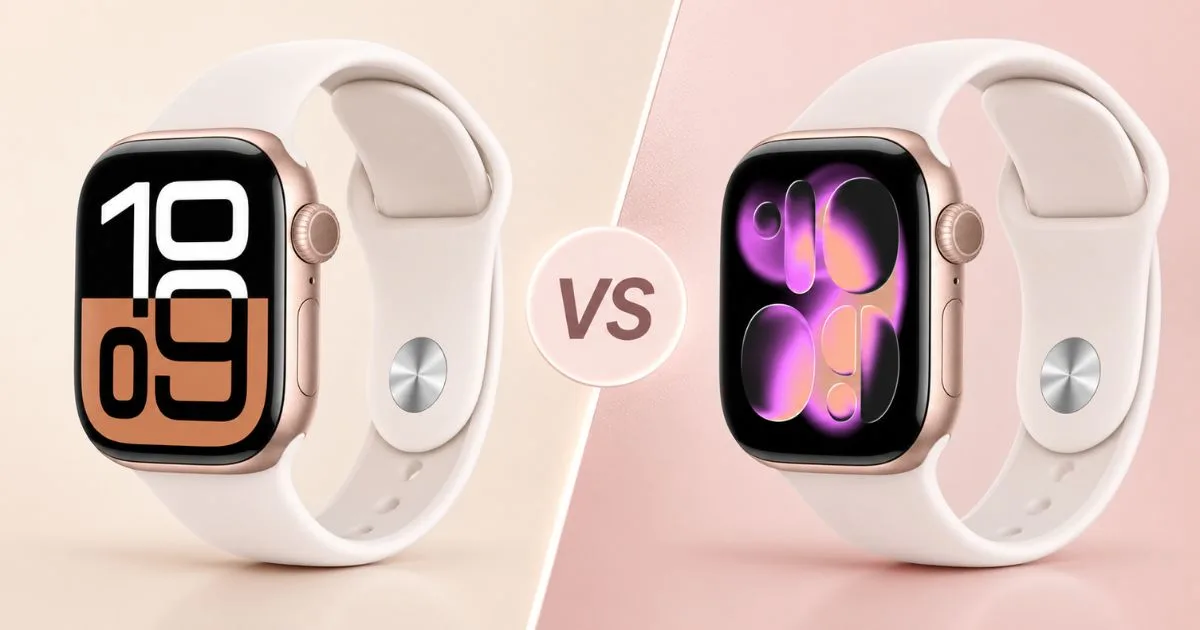
Same case size. Same chip, actually. But not quite the same watch. The Series 11 brings a genuinely longer battery, 5G on cellular models, and a tougher display while several features people assume are Series 11-only arrived on the Series 10 too, through a free software update. Here’s what’s really worth paying extra for.
18h
BatteryLTE
Cellular24h
Battery5G
CellularApple Watch Series 10
Best value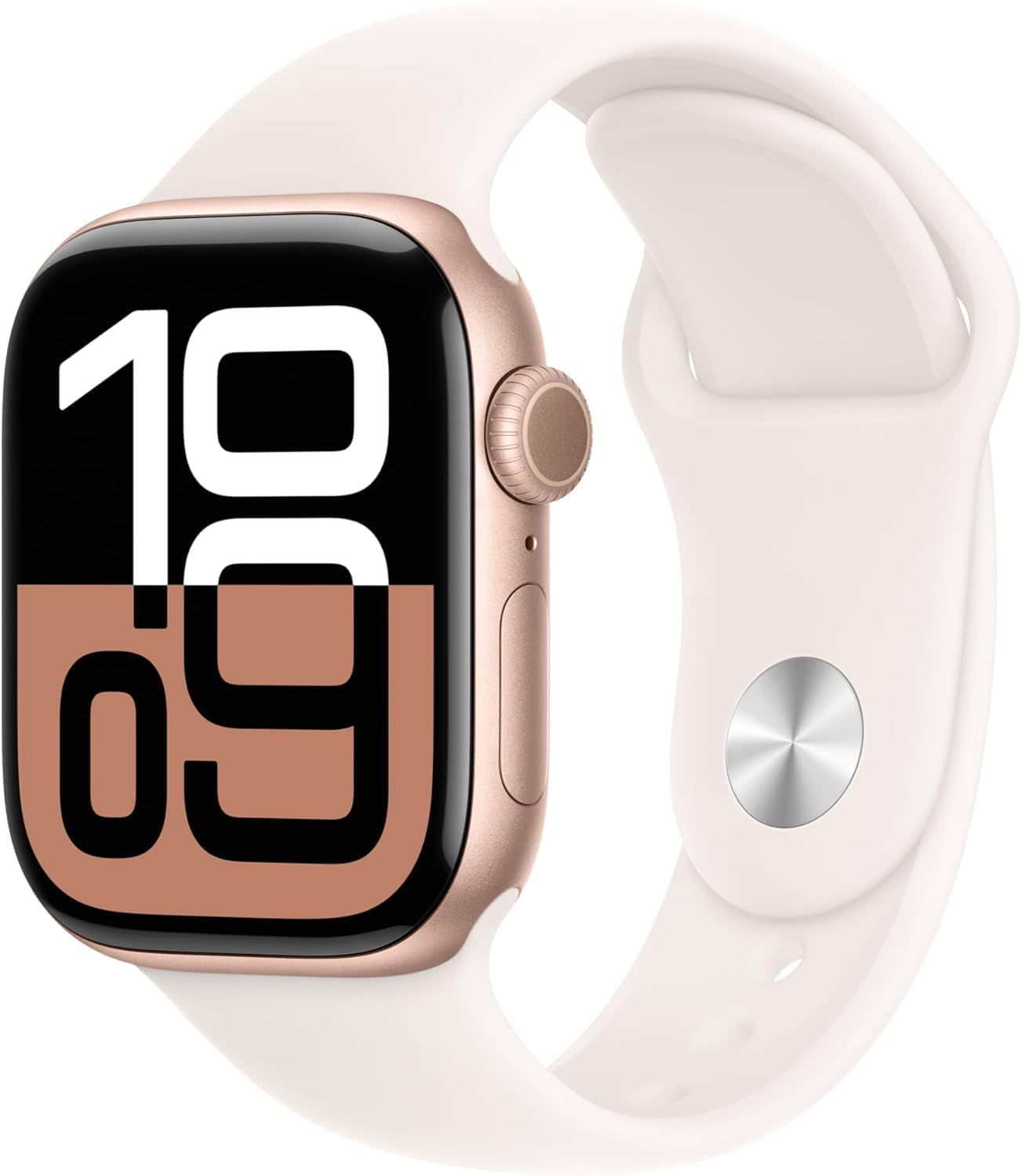
- 42mm or 46mm, aluminum or titanium
- S10 chip, up to 18 hours of battery life
- Standard Ion-X display glass (aluminum models)
- LTE cellular on GPS + Cellular models
- Hypertension notifications and sleep score included
Apple Watch Series 11
Newest hardware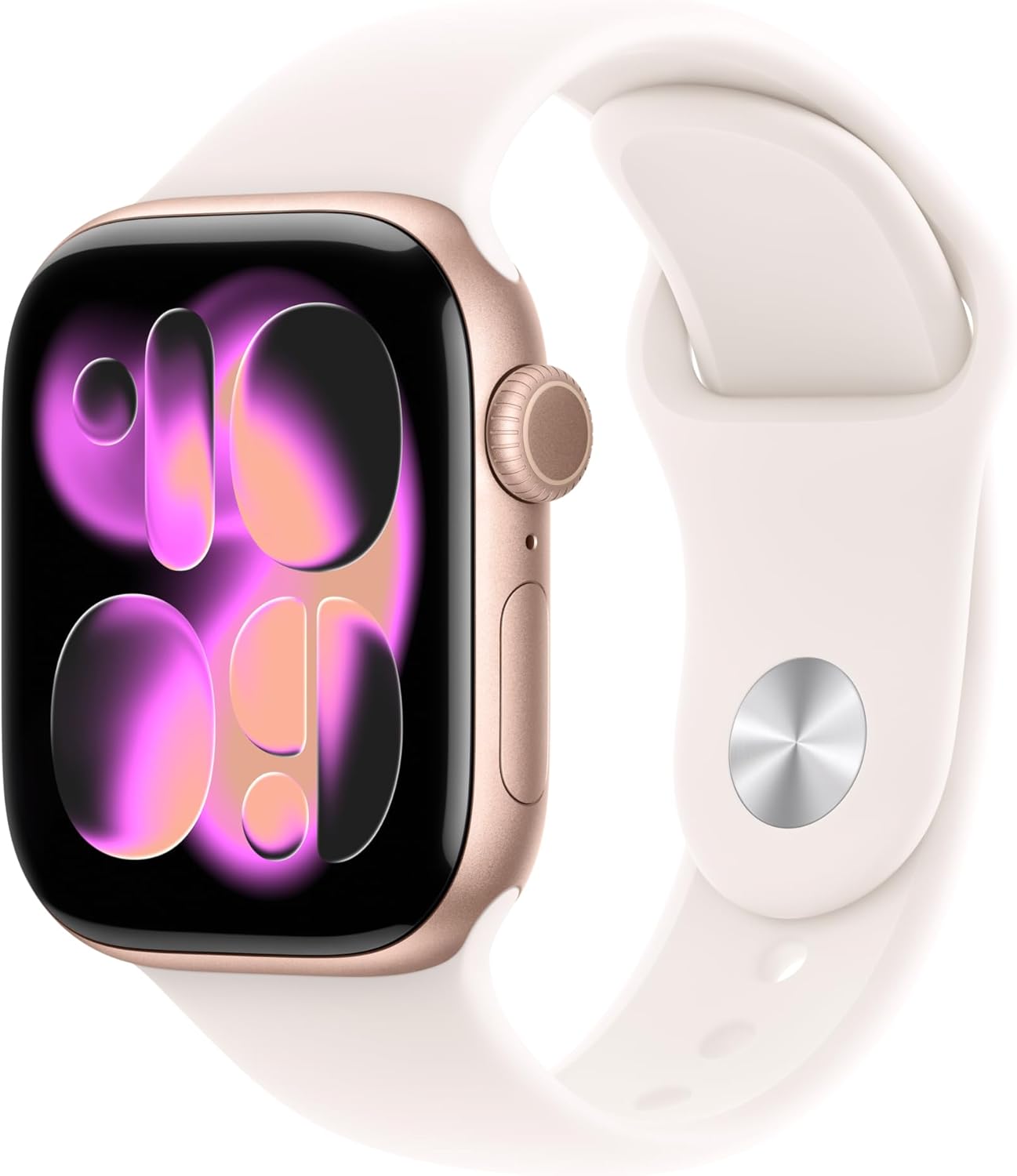
- 42mm or 46mm, aluminum or titanium
- Same S10 chip, up to 24 hours of battery life
- 2x more scratch-resistant display glass (aluminum models)
- 5G cellular on GPS + Cellular models
- Same health features, plus a longer runway of support
Key Differences Between Apple Watch Series 10 and Series 11
A lot of what’s written about these two watches overstates the gap. Strip away the marketing and five things genuinely separate them including one popular assumption about health features that turns out to be wrong.
Battery Life
Apple rates the Series 11 for up to 24 hours versus 18 on the Series 10, thanks to a larger battery cell rather than a more efficient chip.
Six extra hours is the difference between charging nightly and skipping a night here and there.
Sleep trackers and anyone who regularly forgets to charge before bed.
Series 10 isn’t stuck either its 30-minute fast charge to 80% closes most gaps quickly.
Cellular Speed
Series 11 cellular models add 5G; Series 10 tops out at LTE.
Faster downloads and streaming when your watch is connected without your phone nearby.
Runners and cyclists who leave their phone at home and lean on the watch for calls or music.
Only relevant on the pricier GPS + Cellular version, and results depend on local 5G coverage.
Display Durability
Aluminum Series 11 models use a ceramic-coated Ion-X glass Apple says is twice as scratch-resistant as the Series 10’s.
Fewer visible scuffs after years of gym bags, tools, or life with kids.
Anyone who’s scratched a watch face before and wants extra peace of mind.
Titanium buyers already get sapphire crystal on both watches, so this mainly helps aluminum shoppers.
Price & Availability
Series 11 starts at $399 through Apple; Series 10 is discontinued from Apple’s own lineup but still widely stocked at retailers, often below list price.
The real-world price gap can be substantial once discounts are factored in.
Budget-conscious buyers willing to buy the previous generation.
Series 10 color and band options will keep thinning out over time.
Health Software Isn’t Actually a Series 11 Exclusive
Hypertension notifications, sleep score, and Workout Buddy all shipped through the watchOS 26 update, which reaches Series 9, Series 10, and Series 11 alike not just the newest model.
A lot of marketing implies these features are reasons to buy the newest watch. They aren’t they’re reasons to update your software.
Series 9 and Series 10 owners, who get the same health insights at no extra cost.
Honestly, none. This is the one place the newer model doesn’t actually pull ahead.
Comparison Table
A side-by-side look at the specs that actually differ, plus the ones that surprisingly don’t.
| Feature | Series 10 | Series 11 | Status |
|---|---|---|---|
| Starting price | $399 originally; often $250–$350 at retailers now | $399 | — |
| Case sizes | 42mm, 46mm | 42mm, 46mm | same |
| Case materials | Aluminum, Titanium | Aluminum, Titanium | same |
| Chip | S10, 4-core Neural Engine | S10, 4-core Neural Engine (unchanged) | same |
| Display | Wide-angle OLED, up to 2,000 nits | Wide-angle OLED, up to 2,000 nits | same |
| Display glass | Standard Ion-X (aluminum) / Sapphire (titanium) | 2x scratch-resistant Ion-X (aluminum) / Sapphire (titanium) | — |
| Battery life | Up to 18 hours | Up to 24 hours | — |
| Fast charging | 0–80% in about 30 minutes | 0–80% in about 30 minutes; 15 min ≈ 8 hrs use | — |
| Cellular | LTE (cellular models) | 5G (cellular models) | — |
| Satellite messaging | Not available | Limited, via select carrier partners | — |
| Water resistance | WR50, 6m depth gauge | WR50, 6m depth gauge | same |
| Hypertension notifications | Yes (added via watchOS 26) | Yes | same |
| Sleep score & Workout Buddy | Yes (added via watchOS 26) | Yes | same |
| Approx. weight (46mm alum.) | ~36.4g | ~37.8g | — |
| Finish options | 6 finishes across aluminum/titanium | 7 finishes across aluminum/titanium | — |
Design and Build Quality
Set the two watches side by side and most people wouldn’t be able to tell them apart. Apple kept the case sizes at 42mm and 46mm, the same rounded-corner silhouette, and the same choice between lightweight aluminum and sturdier titanium that debuted with the Series 10 back in 2024. Weight is essentially unchanged too the gap between comparable models is a gram or two, not something you’ll actually feel on your wrist.
The one physical change that matters is the front glass. Aluminum Series 11 models get a ceramic-coated Ion-X crystal that Apple rates as twice as scratch-resistant as the Series 10’s a welcome upgrade if you’ve ever pulled a watch out of a gym bag with a fresh scuff already on it. Titanium buyers won’t notice a difference here, since both generations already use sapphire crystal on those models.
Bands from Series 7 through Series 10 continue to fit both watches, so switching generations doesn’t mean rebuying your whole band collection. In everyday use, the Series 11 feels like a refined version of a design Apple already got right two years ago not a redesign, just a watch that’s slightly tougher to live with day to day.
Performance and Features
Here’s the detail most buyers miss: Apple didn’t put a new chip in the Series 11. Both watches run on the same S10 processor with a 4-core Neural Engine, so app launches, Siri responses, and on-screen animations feel identical between them.
This is the first time back-to-back Apple Watch generations have shared the exact same chip. It’s a big part of why the Series 11 doesn’t feel meaningfully snappier day to day because, processor-wise, it isn’t.
Where the two do differ in real-world performance is connectivity. The Series 11’s 5G support on GPS + Cellular models gives it an edge for streaming or getting directions when your phone is left behind, and Apple redesigned the cellular antenna to improve reception in weaker signal areas. Series 11 also picks up carrier-based satellite messaging in a small number of regions, though that’s closer to an emerging feature than something most buyers will lean on regularly.
Software-wise, both watches are on equal footing. watchOS 26 brought hypertension notifications, sleep score, Workout Buddy’s spoken workout coaching, Live Translation, and the redesigned Liquid Glass interface to Series 9 and later Series 10 included. Most buyers will notice the software experience is identical across both watches; the meaningful differences come down to battery stamina and cellular speed, not raw processing power.
Pros and Cons
Apple Watch Series 10
- Nearly the same core experience as Series 11, for less money
- Gets hypertension notifications, sleep score, and Workout Buddy via update
- Widely discounted at major retailers
- Same display size, resolution, and brightness as Series 11
- Shorter battery life 18 hours vs. 24
- LTE only, no 5G option
- Standard scratch resistance on aluminum models
- Being phased out, so colors and bands are shrinking
Apple Watch Series 11
- Longer 24-hour battery life
- 5G cellular on GPS + Cellular models
- More scratch-resistant display glass (aluminum)
- Full color and band lineup, currently in production
- Same S10 chip as Series 10 no processing upgrade
- No price advantage over Series 10 at launch pricing
- 5G benefit depends heavily on carrier coverage
- Battery gain comes from a bigger cell, not new efficiency
Which One Offers Better Value?
Value depends on what you’re optimizing for. If you’re buying your first Apple Watch or upgrading from something several generations old, the Series 10 delivers nearly the entire modern Apple Watch experience the same size, the same display, the same headline health features for a price that’s dropped meaningfully since the Series 11 arrived. This makes more sense for beginners, budget buyers, and anyone who mainly wants reliable fitness tracking and notifications without paying for extras they won’t use.
Choose Series 10 if…
You want the modern Apple Watch experience at the lowest price, don’t need 5G, and can live with 18-hour battery life.
Choose Series 11 if…
You wear your watch overnight, want 5G on the wrist, or you’ve scratched an aluminum Apple Watch before.
The Series 11 earns its price for a narrower group: people who want to avoid daily charging, buyers who regularly leave their phone at home and want 5G, or anyone replacing an aluminum watch they’ve previously scratched up. Premium buyers who simply want the current flagship, in the newest colors, with the longest support runway ahead, will also lean toward the Series 11. Neither watch is the wrong choice the main trade-off is simple: pay less and get nearly the same watch, or pay full price for a longer-lasting battery and faster cellular.
Two Very Good Watches, Two Different Buyers
There’s no universal winner here, and that’s worth saying plainly. The Apple Watch Series 10 remains a genuinely excellent smartwatch, made even better by a software update that gave it hypertension notifications, sleep score, and Workout Buddy for free features that once looked like Series 11 exclusives. Choose it if price matters and you don’t need extra battery headroom.
The Apple Watch Series 11 is the right pick if a longer battery, 5G, and a tougher screen are worth paying full price for, particularly for cellular buyers or anyone hard on displays. It’s a smaller upgrade than the model number suggests but a real one where it counts.
Frequently Asked Questions
The biggest practical differences are battery life (24 hours on Series 11 versus 18 on Series 10), 5G cellular support on Series 11, and a more scratch-resistant display on Series 11’s aluminum models. Both watches share the same case sizes, display specs, and S10 chip.
For most owners, no. The headline health features arrived on the Series 10 as well, through the watchOS 26 update. Upgrading mainly makes sense if you specifically want the longer battery life or 5G cellular connectivity.
Yes. Both features rolled out to Series 9, Series 10, and Series 11 through the free watchOS 26 update, so they aren’t exclusive to the newest model.
The Series 11 lasts longer, rated for up to 24 hours of normal use compared to 18 hours on the Series 10. Both charge at a similar fast-charging speed of 0–80% in about 30 minutes.
Yes, particularly at a discount. It runs the same current software, offers nearly identical hardware, and remains a strong choice for buyers who don’t need the extra battery life or 5G that Series 11 adds.