Quick Verdict
Short on time?
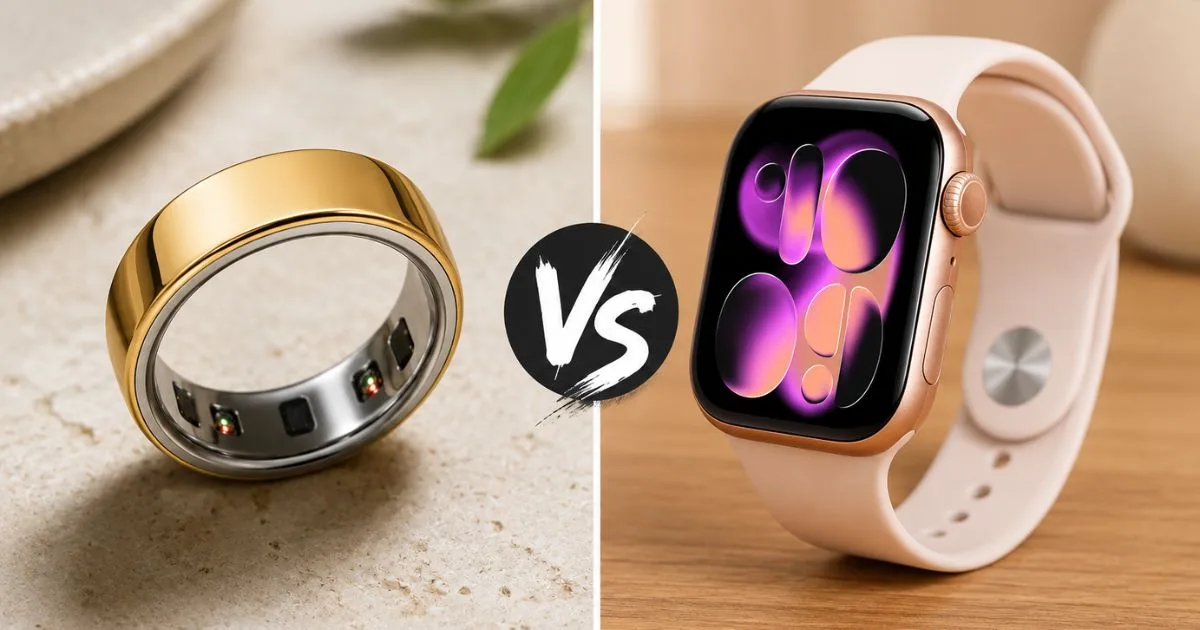
The Oura Ring 4 is built for people who want deep sleep and recovery insight without wearing anything that looks or feels like a gadget. The Apple Watch Series 11 is built for people who want one device to replace their fitness tracker, notification screen, and payment card. Most buyers will notice the difference within the first few days of use, not on a spec sheet.
Pick the Oura Ring 4 if…
you want the longest battery life, the most discreet design, and the best possible sleep tracking.Pick the Apple Watch Series 11 if…
you want notifications, calls, GPS workouts, and health alerts like hypertension detection in one device.Both devices track your health, but they go about it in almost opposite ways. One disappears on your finger for a week at a time; the other sits on your wrist as a full-blown computer. Here’s how the Oura Ring 4 and Apple Watch Series 11 actually compare once you look past the marketing.
Oura Ring 4
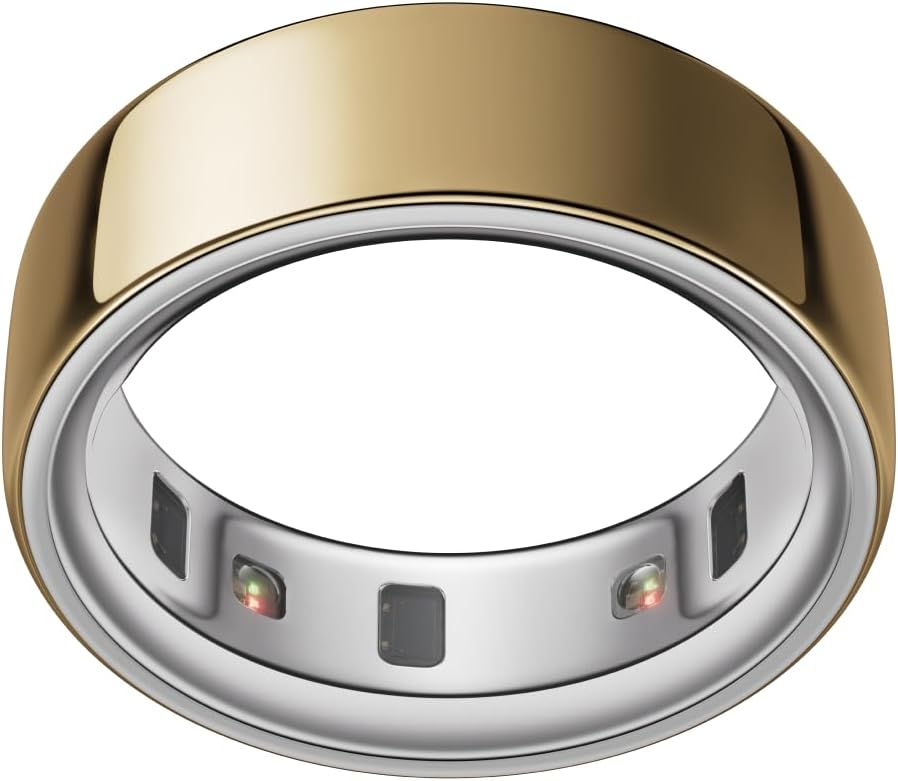
- Titanium smart ring, sizes 4–15
- 5–8 days of battery life
- No screen data lives in the Oura app
- Deep sleep, readiness, and recovery scoring
- Membership required for full data ($5.99/mo)
Apple Watch Series 11
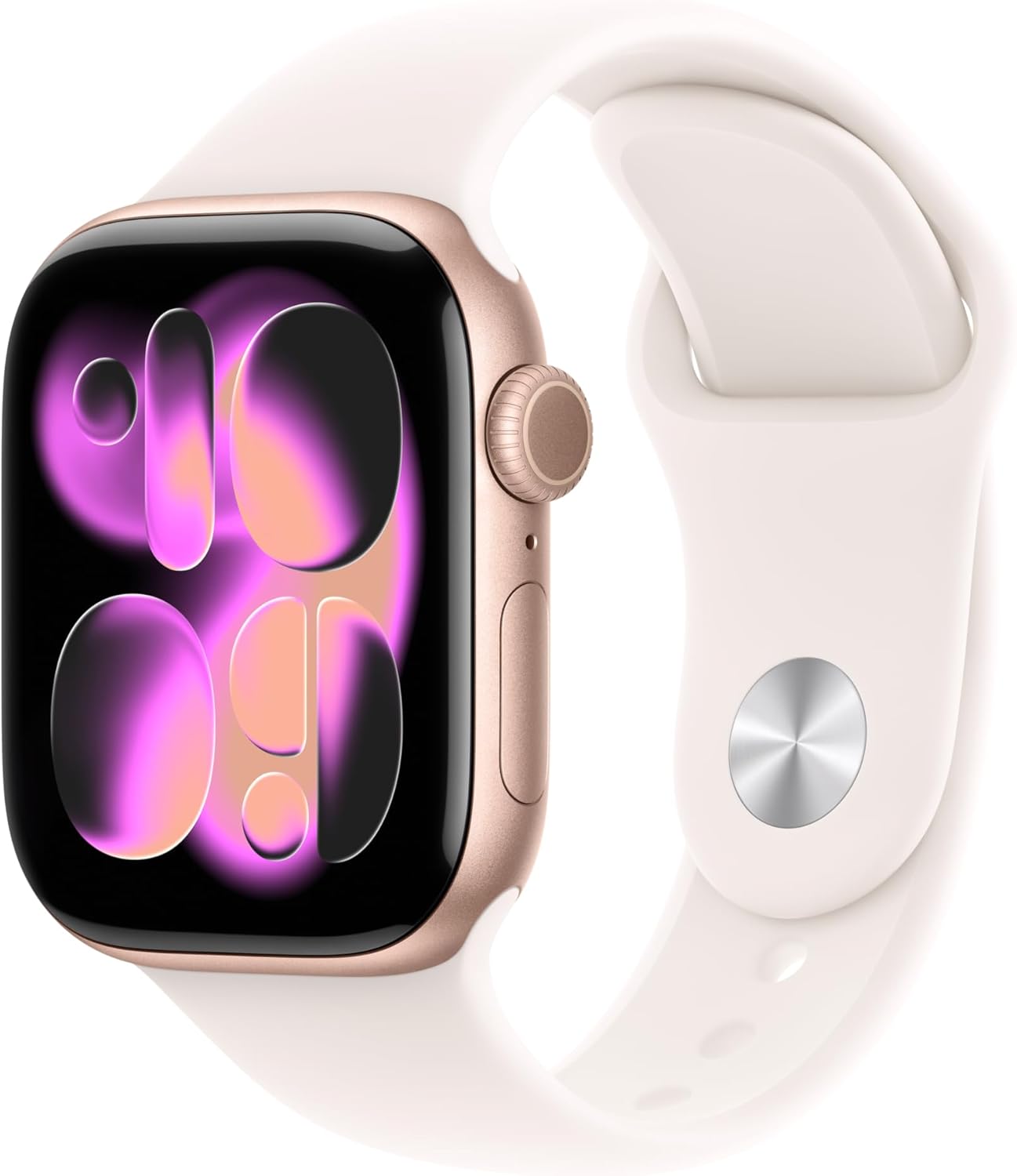
- Aluminum or titanium case, 42mm/46mm
- Up to 24 hours of battery life
- Always-on Retina display
- Hypertension notifications, ECG, GPS, 5G option
- No subscription needed for core health features
Key Differences Between Oura Ring 4 and Apple Watch Series 11
Once you get past the “ring vs. watch” novelty, the real differences come down to how each device wants you to interact with it. Here’s what actually changes your day-to-day experience.
No screen vs. always-on display
Oura Ring 4 has no display at all, so every reading lives inside the phone app. Apple Watch Series 11 puts information right on your wrist, which matters most during workouts, meetings, or when you simply don’t want to reach for your phone.
Days of battery vs. hours of battery
The Oura Ring 4 typically runs 5 to 8 days
on a charge, depending on ring size and settings. The Apple Watch Series 11 is rated for up to 24 hours of battery life
in normal use. In practical terms, the ring fades into the background, while the watch becomes part of your nightly routine.
Ongoing subscription vs. one-time cost
Oura requires an Oura Membership at $5.99 a month or $69.99 a year
to unlock full health insights; without it, functionality is limited to basic daily scores. Apple Watch’s core health tracking works without any recurring fee, so the sticker price is closer to the full cost.
Recovery focus vs. full smartwatch functionality
Oura is built almost entirely around sleep, readiness, and long-term trends. Apple Watch adds messaging, apps, Apple Pay, optional 5G cellular, and newer health alerts like hypertension notifications features the ring simply doesn’t attempt to offer.
Comparison Table
| Feature | Oura Ring 4 | Apple Watch Series 11 |
|---|---|---|
| Form Factor | Titanium ring, no display | Aluminum/titanium case with Retina display |
| Battery Life | 5–8 days | Up to 24 hours (38 hrs low power) |
| Water Resistance | 100m, up to 12 hrs continuous | Water resistant, not rated for diving |
| Health Sensors | HRV, temperature, SpO2, stress, sleep stages | ECG, blood oxygen, hypertension alerts, sleep score |
| GPS / Cellular | Not available | Built-in GPS, optional 5G cellular |
| Notifications & Apps | None on-device | Full notifications, calls, third-party apps |
| Subscription | Required for full data | Not required for core features |
| Compatibility | iOS and Android | iPhone required |
| Best For | Sleep, recovery, discreet tracking | All-in-one smartwatch use |
Design and Build Quality
The Oura Ring 4 uses a fully titanium shell with recessed sensors, available in six finishes and sizes ranging from 4 to 15, plus a separate ceramic version for buyers who want a slightly different look and feel. Because it weighs just a few grams, most people forget it’s on their hand within a day or two, which is exactly the point Oura is designed to be worn 24/7, including in the shower, sauna, or pool, since it’s rated for 100m/328ft of water resistance.
The Apple Watch Series 11 takes a completely different approach. It’s Apple’s thinnest smartwatch to date, available in 42mm and 46mm cases, with aluminum models now using Ion-X glass that’s 2x more scratch resistant than the Series 10, while titanium models keep a sapphire crystal display. You get a choice of seven finishes, which is a lot more customization than a typical smartwatch offers. For daily use, it still looks and feels like a piece of technology on your wrist which some buyers want, and others are trying to avoid.
Neither design is “better” in a vacuum. If you work somewhere with a dress code, or you simply don’t like the look of tech on your wrist, the ring wins easily. If you like glancing at a display without unlocking your phone, the watch wins just as easily.
Performance and Features
This is where the two products really diverge, and it’s the section most buyers should read closely before deciding.
The Oura Ring 4 is built around a sensing platform Oura calls Smart Sensing, which tracks over 50 health metrics including sleep, activity, stress, heart health, and women’s health data. It automatically detects some activities like walking and running, but you’ll manually start and stop most workouts, and there’s no GPS to map a route. That’s a deliberate trade-off: reviewers who’ve used it for training note it’s not built for athletes like marathoners or long-distance cyclists, because it simply can’t match the live, in-workout stats a smartwatch provides. Where it does excel is context the app is genuinely good at turning raw data into readable trends around sleep debt, recovery, and stress over time.
The Apple Watch Series 11 leans the opposite direction. Alongside the usual heart rate, workout, and sleep tracking, it now includes hypertension notifications that analyze data from the optical heart sensor roughly every 30 days to flag patterns consistent with chronic high blood pressure a feature that has already received FDA clearance and rolled out widely. It also adds a new sleep score, continues to support ECG-based AFib detection and blood oxygen readings, and on cellular models offers 5G connectivity with dual cellular bands for a stronger connection in areas with spotty service. In everyday use, it functions less like a fitness tracker and more like a second, smaller iPhone that happens to track your health along the way.
The main trade-off is simple: Oura gives you better passive recovery insight with almost no upkeep, while Apple Watch gives you more real-time capability at the cost of a nightly charge and a much more “always-on” relationship with your wrist.
Pros and Cons
Oura Ring 4
Pros
- Exceptional battery life, often close to a week
- Comfortable enough to wear day and night without noticing it
- Strong sleep and recovery scoring backed by validation research
- Works with both iOS and Android
Cons
- No display everything routes through the app
- Full functionality requires an ongoing membership
- No GPS or built-in workout metrics
- Not designed for serious athletes tracking live performance
Apple Watch Series 11
Pros
- Full smartwatch functionality: calls, apps, Apple Pay, Siri
- FDA-cleared hypertension notifications and ECG
- Built-in GPS and optional 5G cellular
- No subscription required for core health features
Cons
- Needs charging roughly every day
- Requires an iPhone no Android support
- Bulkier to wear continuously, including overnight
- Cellular models add a noticeable premium
Which One Offers Better Value?
It depends on how you define “value”
On price alone, the Oura Ring 4 is cheaper up front, but the required membership means the real cost grows over time after a few years, you may have paid close to what a mid-range smartwatch costs, just spread out monthly. The Apple Watch Series 11 costs more at checkout, but its core health features work without any recurring fee, so most of what you pay is what you get.
For beginners who mainly want to understand their sleep and recovery without learning a new device, Oura’s simpler, score-based approach is easier to adopt. For daily users who want notifications, workout tracking, and payments in one place, the Apple Watch does more per dollar in the moment. Budget-conscious buyers should also note that sticking with the GPS-only Apple Watch avoids the $100 jump for 5G cellular, and skipping Oura’s annual plan in favor of monthly billing keeps the ongoing cost more flexible. Premium buyers chasing the newest medical-adjacent features, like hypertension detection, will find that’s currently an Apple Watch exclusive.
Final Verdict
There’s no single winner here just a better fit for different routines
Choose the Oura Ring 4 if your priority is understanding sleep and recovery, you want the lightest possible wearable, and you don’t mind paying a small monthly fee for deeper insights. Choose the Apple Watch Series 11 if you want one device that handles notifications, workouts, payments, and newer health alerts like hypertension detection, and you’re comfortable charging it daily. This makes more sense as a “which lifestyle fits you” decision than a straightforward spec battle and for a lot of people, the honest answer is that these two devices solve different enough problems that they can even complement each other rather than compete.
Frequently Asked Questions
Both are considered strong performers for sleep tracking, and Oura’s finger-based sensors benefit from staying relatively still overnight compared to a wrist. That said, accuracy can vary by person and by night, so it’s worth treating either device’s data as a helpful trend rather than a clinical measurement.
Yes. The Apple Watch Series 11 is set up and managed through an iPhone, so it isn’t an option for Android users. The Oura Ring 4, by contrast, works with both iOS and Android.
It will still function, but without a membership you only get a limited amount of data, such as your basic daily scores for sleep, activity, and readiness. Most of the ring’s value comes from the membership-gated features.
Yes. It’s rated for 100m/328ft of water resistance, which covers showering, swimming, and light water sports, though it isn’t intended for scuba diving.
The Apple Watch Series 11 is the stronger choice for live workout tracking, thanks to its built-in GPS, real-time display, and broader exercise metrics. The Oura Ring 4 can log activity automatically, but it’s better suited to recovery and long-term trend tracking than in-the-moment training feedback.